
Riley Link is an experimental device created by Type 1 Diabetics to help manage blood sugar levels by creating a closed loop system between a continuous glucose monitor (CGM), an iPhone, and an insulin pump. I worked on this project because I noticed how taxing it was on my girlfriend to continuously have to make decisions and adjust her insulin input manually.
This project involved two parts: assembling the electrical components and designing a ruggedized box for it. With most open source projects it required a bit of troubleshooting when assembling, but my past experience allowed me to complete the electrical and software components with relative ease.
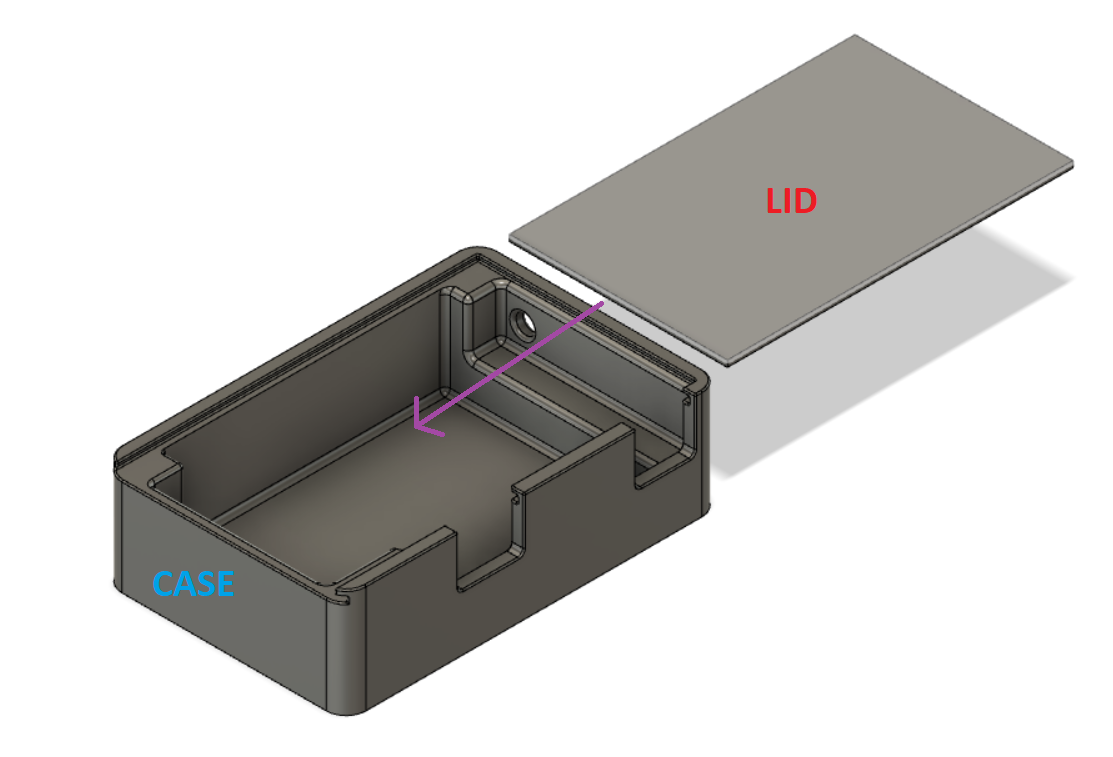
In order to make the box I designed it to work on my Mars Pro 2 3D printer. It was one of the first projects I undertook on my printer and it gave me a great understanding on how to design pieces that work well with SLA technology.


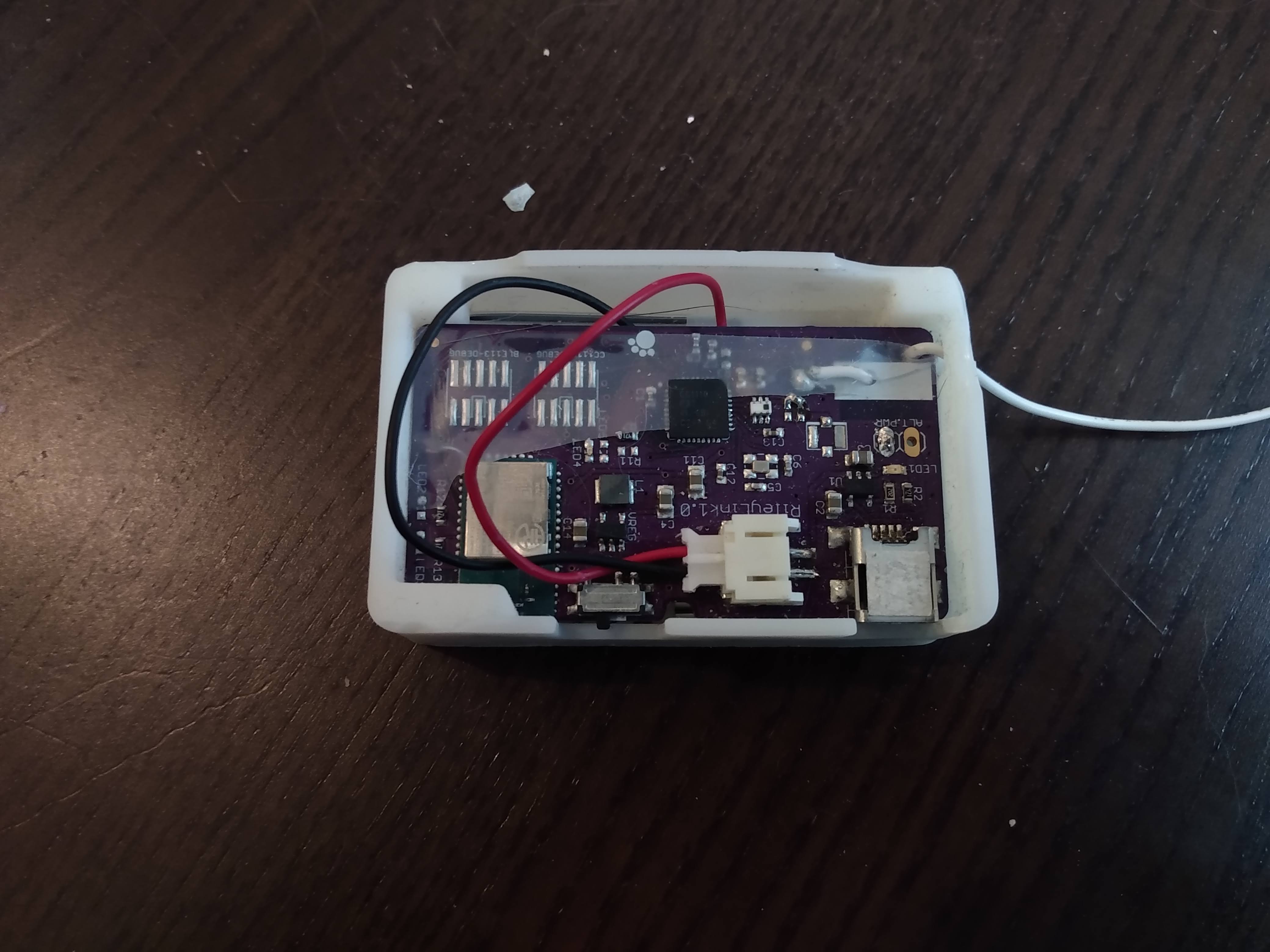
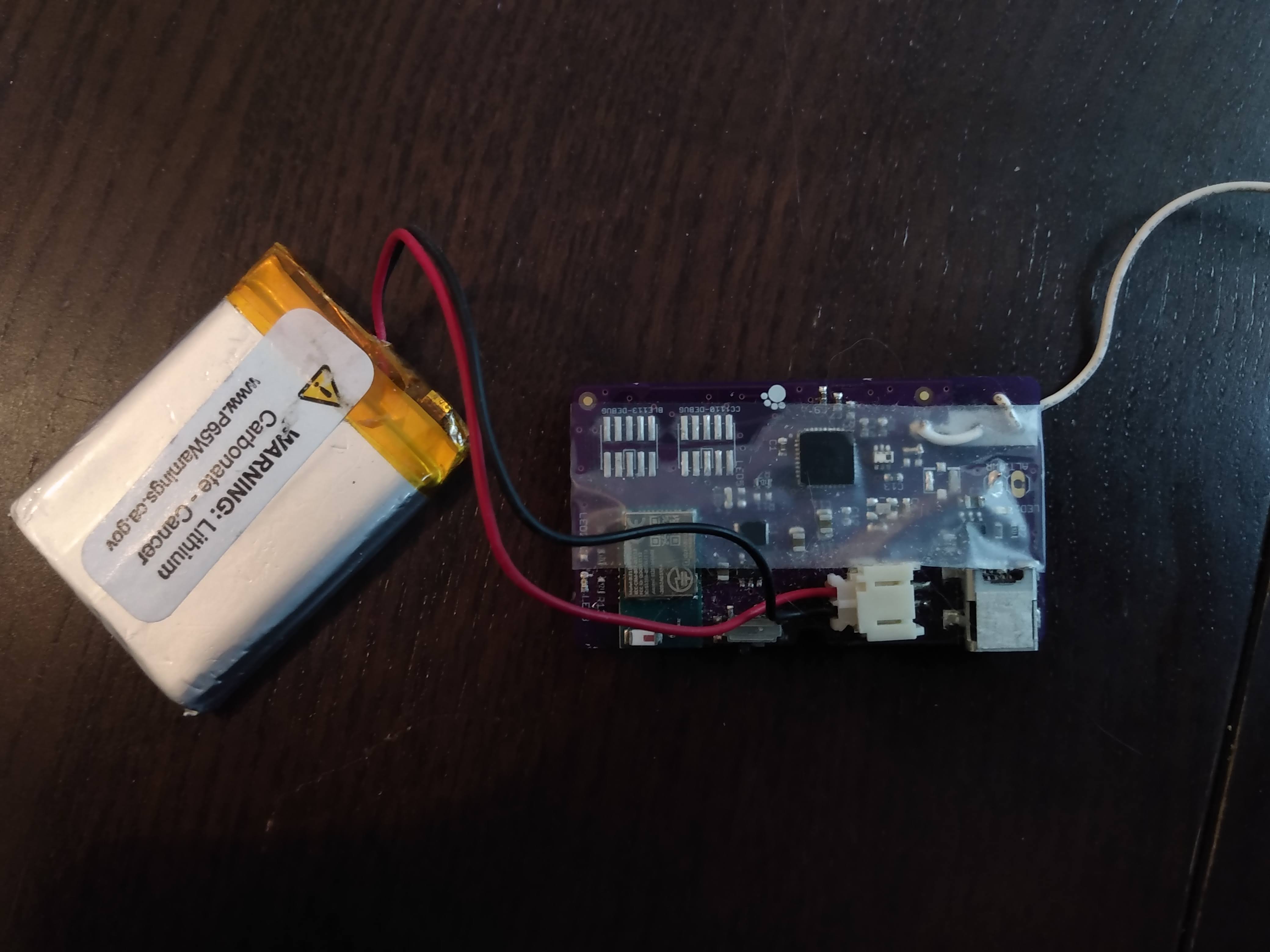
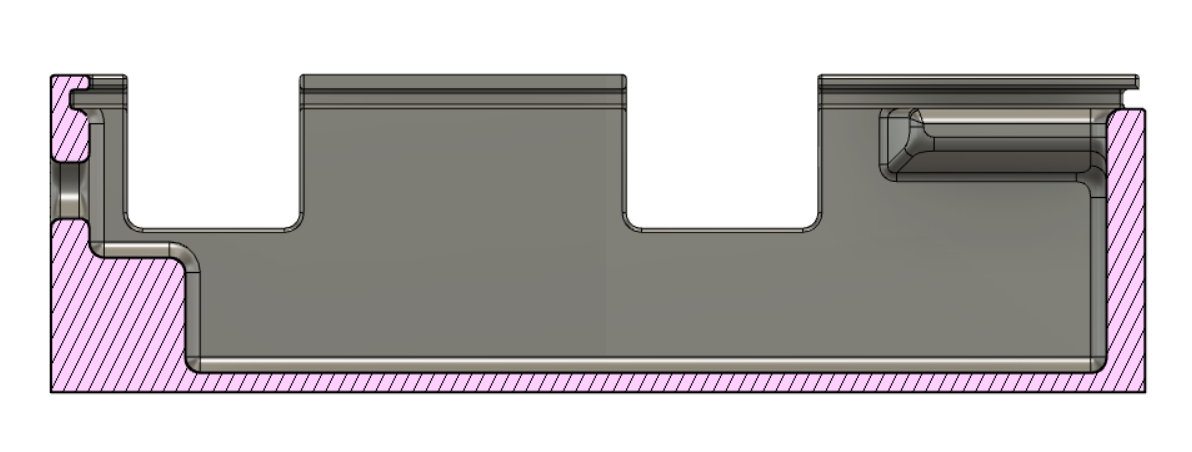
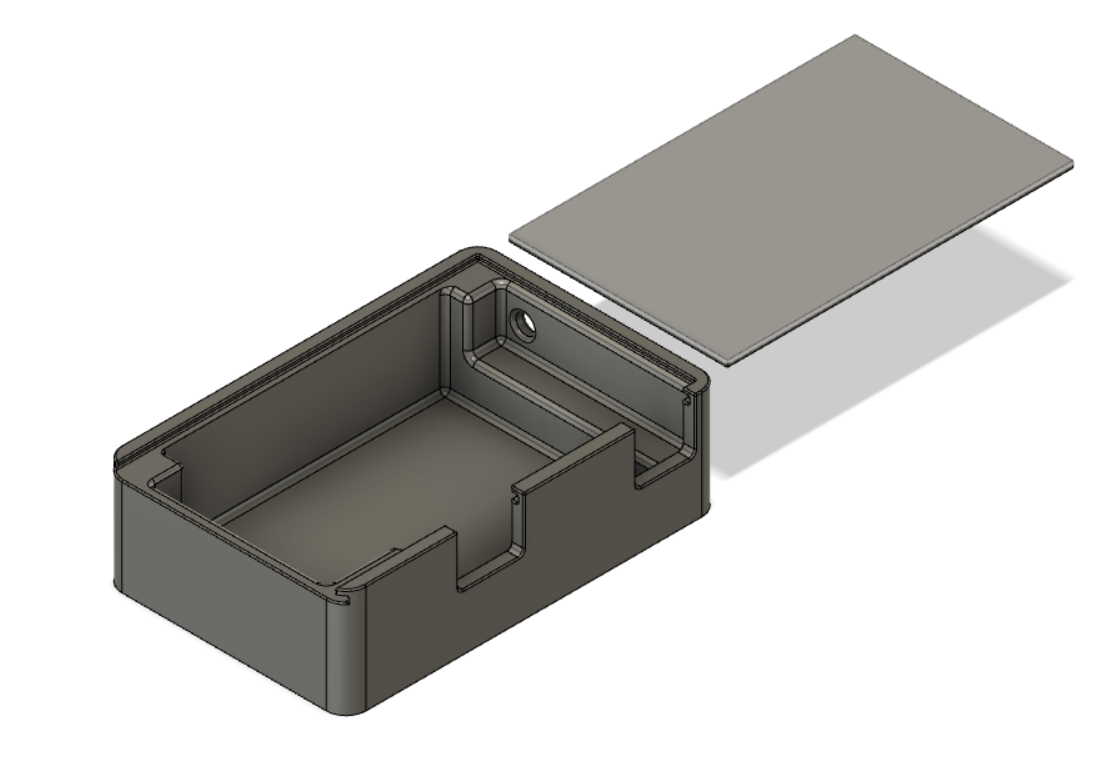
Design Evolution
I iterated on this design a few times as the box was used and experienced the real world. Before the box the device was simply wrapped in some tape. Some of the failure modes included:
- Battery expansion – pressure on the LiPo pack caused some to bulge.
- Wire wear – exposed battery wires would cause the insulation to wear off and short out.
- Short circuit overheating – exposed PCB pads enabled FOD to short out the regulator causing it to overheat and fail.
Overall the box made the device much more resilient to normal wear and tear by creating a barrier to abrasion.
In the gallery above the first iteration was a white box. This box worked well for a while but had a few shortcomings.
- The plastic was brittle and subject to failure when dropped
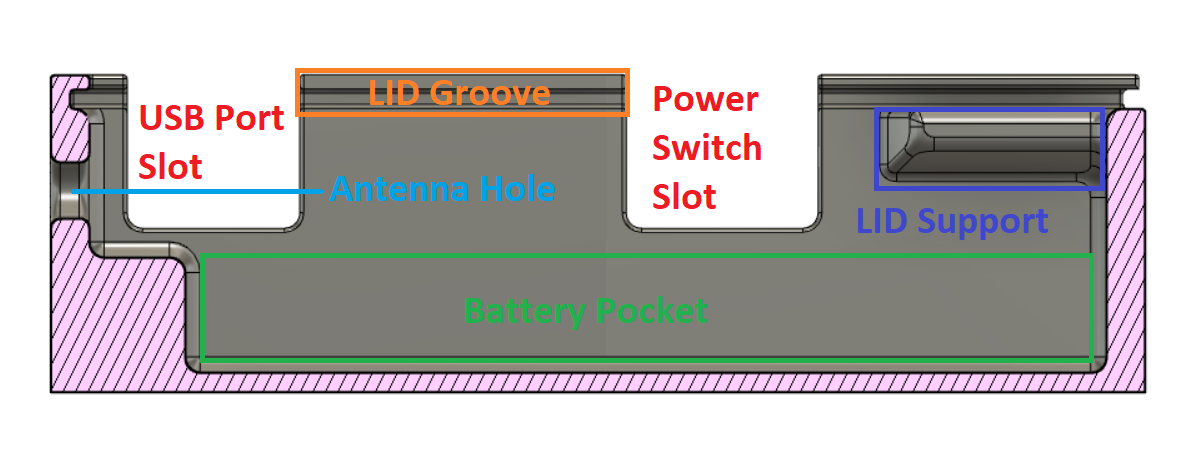
- The Lid tend to cave in when too much pressure was applied.
- The PCB didn’t sit very flat causing it to rattle.
The solution to these problems was to build the box out of a different more flexible and strong resin. And to design features into the box that strengthened the lid and better constrained the PCB.
 Osi Van Dessel