
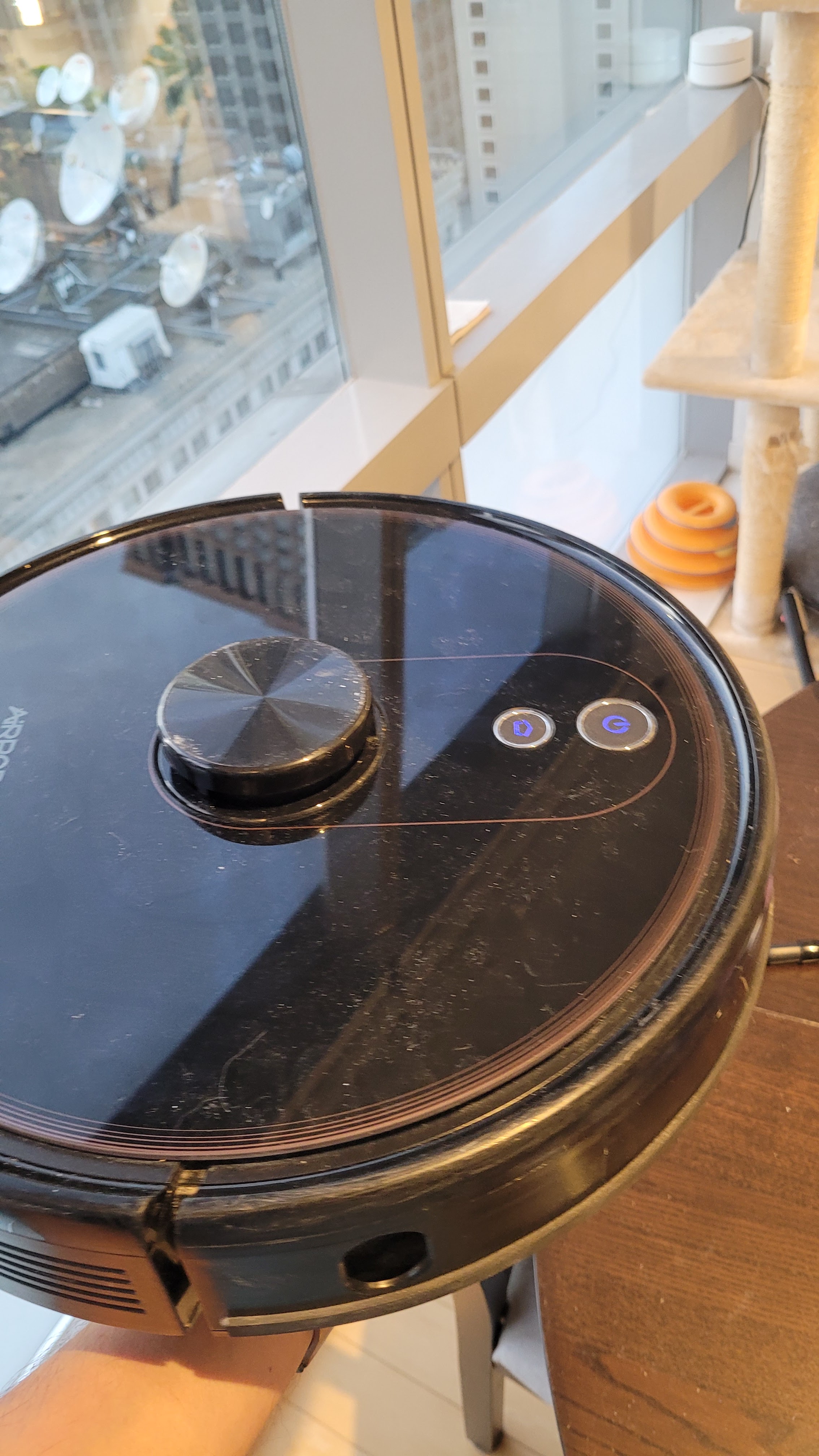
I got myself a robot vacuum about 2 years ago to help me battle the dust generated by 2 fluffy cats and humans in a tiny apartment. Got to say its one of the best purchases (and deals!) I’ve ever made as I had no idea how dirty my floors were until they were swept daily.
Unfortunately I noticed that Arby (what we call our robot) began to act odd and in rather short order completely stopped working once it left the charging base. This clearly indicated that the failure was battery related.
Searching online for a replacement battery pack I was shocked at not only how expensive they were ($50+!) but also how long it would take to get here (4+ weeks). I’m not sure if its because the model I have is discontinued or if this is how it is with battery packs from China. In the end I figured my lungs would appreciate fixing my robot sooner, so that’s just what I did.
Supplies
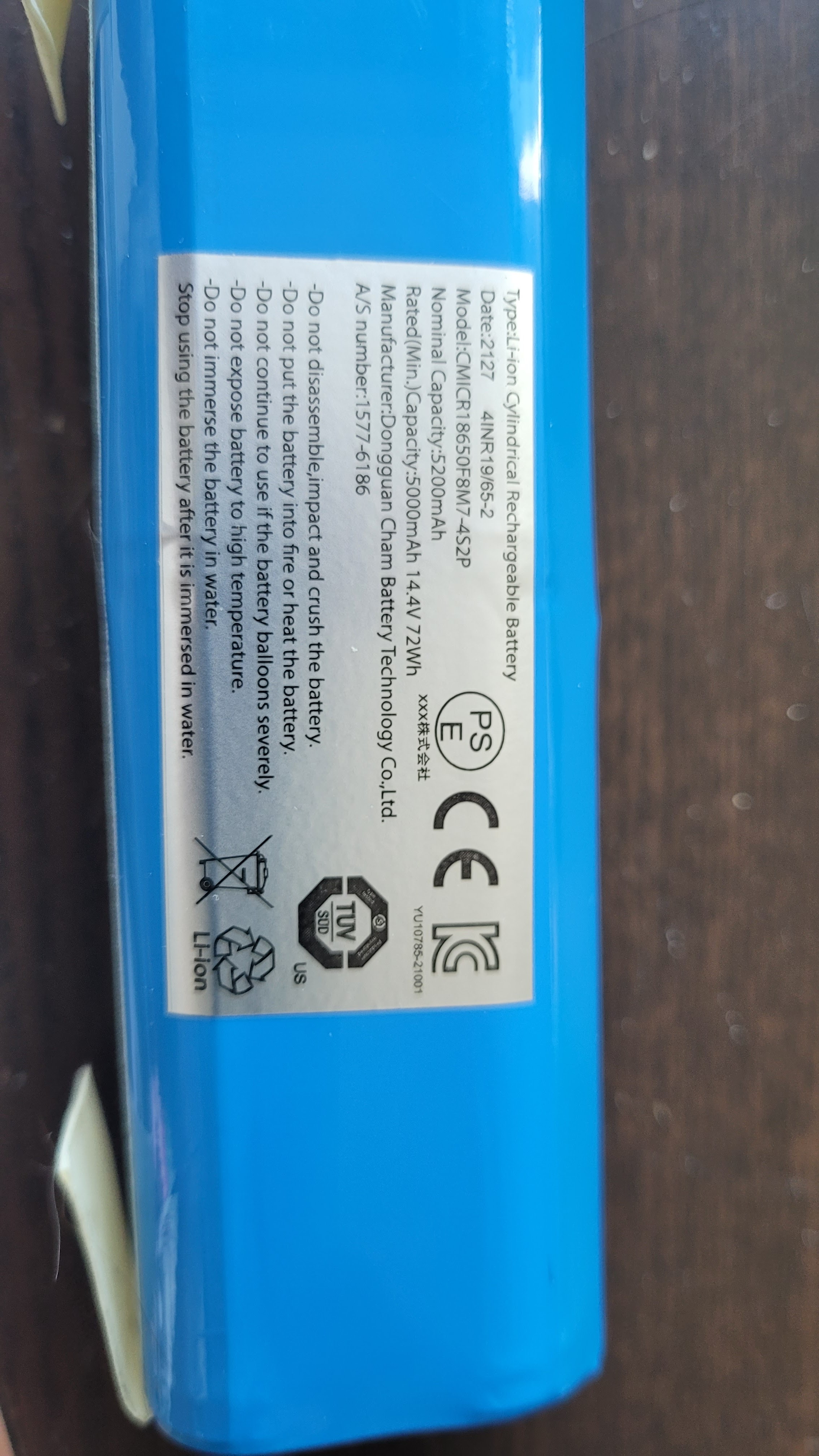
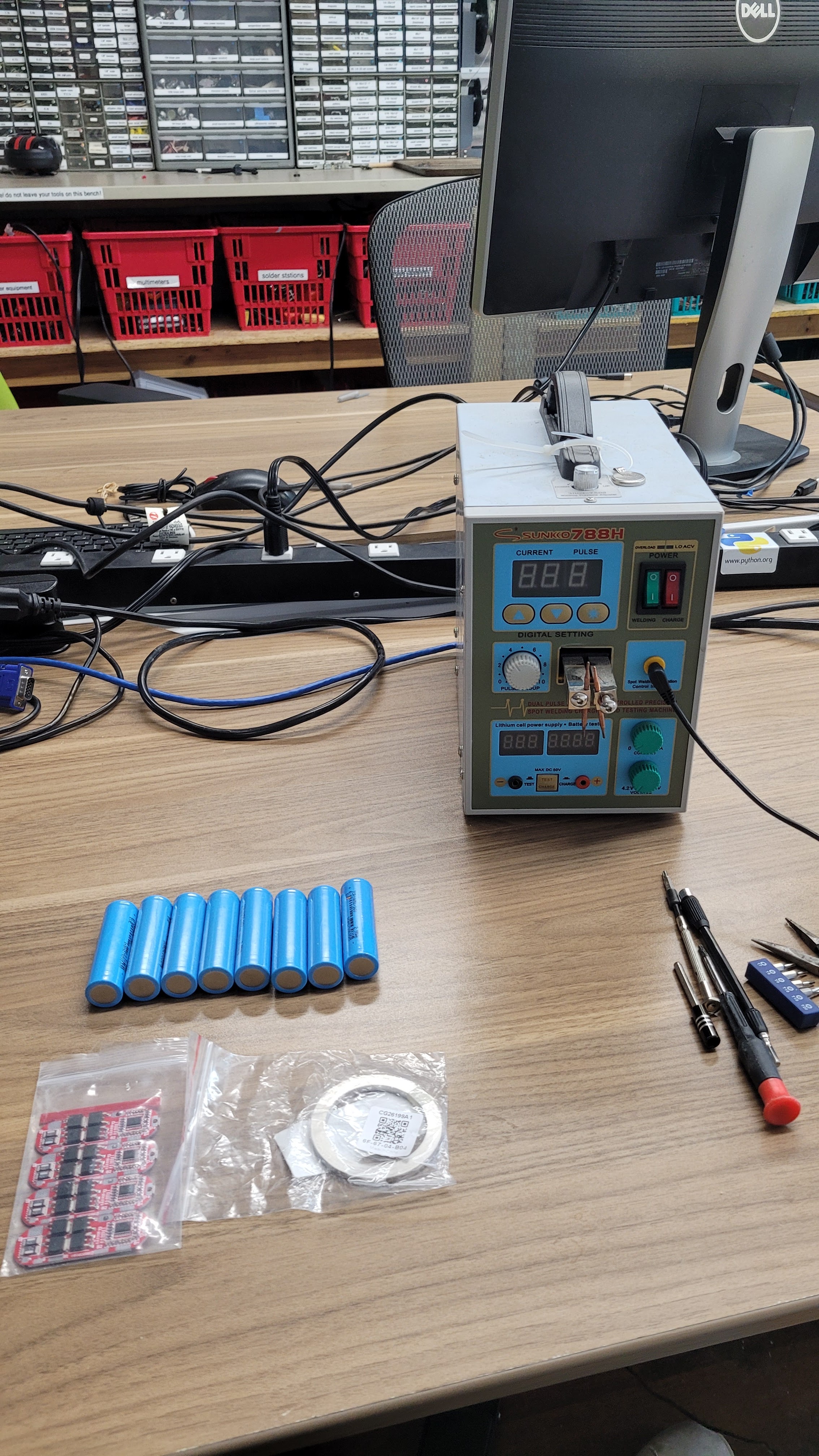
The battery pack is a 4S2P configuration, meaning I needed 8 cells. I found a good deal on 18650 cells from of all things the 18650 cell store (https://www.18650batterystore.com/collections/18650-batteries) for ~$22.
Unfortunately for me when I disassembled the existing pack I broke the current protection PCB and so had to get myself a new one. Got a pack of 5 from Amazon for $13. So overall this project cost me $25, not bad for 50% savings.
Assembly
To put together my cells I went to my local makerspace and borrowed their spot welder. First time using the machine so I messed around with the settings and my zinc strip to test it out. Few things I learned:
- The zinc strip I used was 4mm wide. Would have had an easier time with a wider strip so that the welder’s electrodes would have had an easier time touching down.
- Spot welding does not work well on the edge. Placing the electrode on the edge tends to have a bad contact and when the spark is initiated it would vaporize the zinc tape rather than a weld to the battery.
- I created a more reliable zinc strip to battery weld with more hits instead of stronger sparks. I figured since I’m not churning out 100000s of these units I could spend more time to put 6 welds in rather than just 4.
- I could not get a reliable solder tinned wire to zinc strip weld. Rather than weld the solder just vaporized in a flash of sparks.
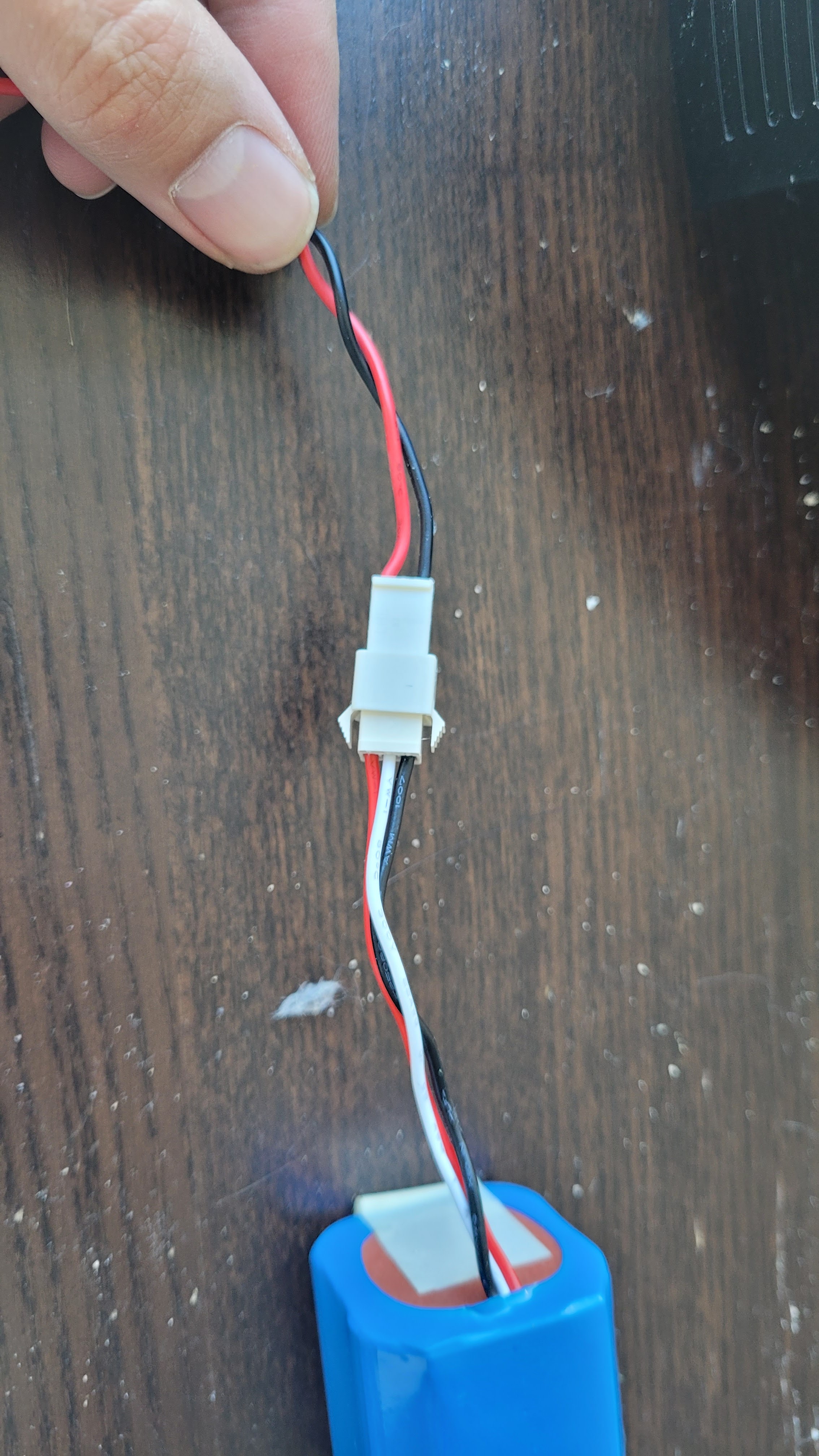
In order to attach the cells to the battery protection circuitry I utilized some 22awg wires soldered to the zinc strip and then to the exposed pads. This was pretty easy as long as I had a hot enough iron to get a good melt on the heat wicking zinc strip. I was partially worried about heat damaging the cells, but I made sure to not prolong the soldering process and to choose a location on the zinc strip away from the battery cells themselves.
Installation
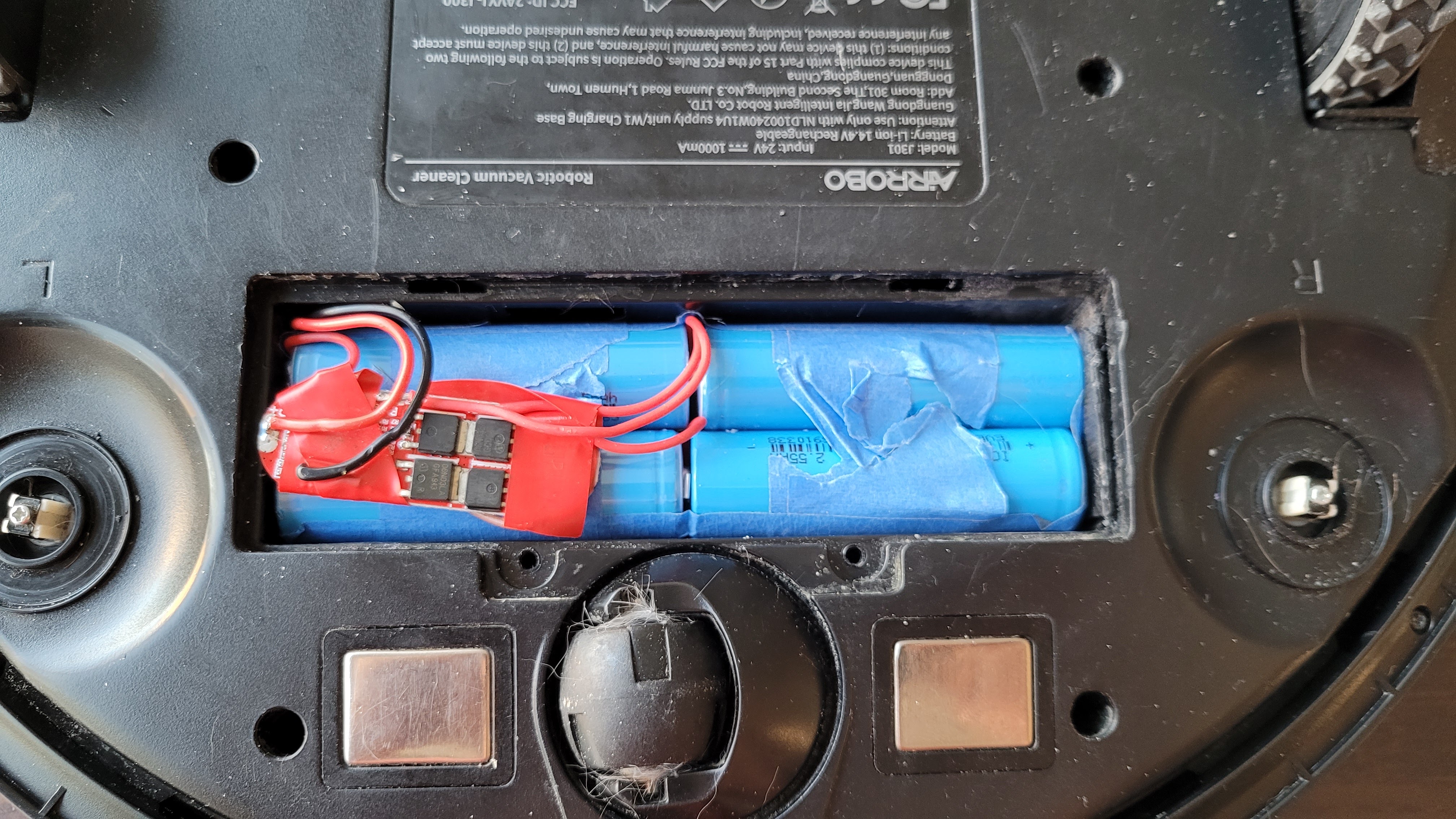
After completing the pack to a rough emulation of the original pack the next step was to install it back into Arby. I have to say I was impressed at the packing efficiency of the battery pack to battery bay, which unfortunately for me left me no wiggle room. I was probably off by less 0.5mm in length but that was sufficient to make re-installing the battery pack very difficult. To make it work I cut through one side of the battery bay plastic housing in order to allow the bay to expand as I forced the pack into its slot. This fortunately proved enough to make it work!

 Osi Van Dessel